Biaxially Oriented PET Film

Mylar® Polyester Film

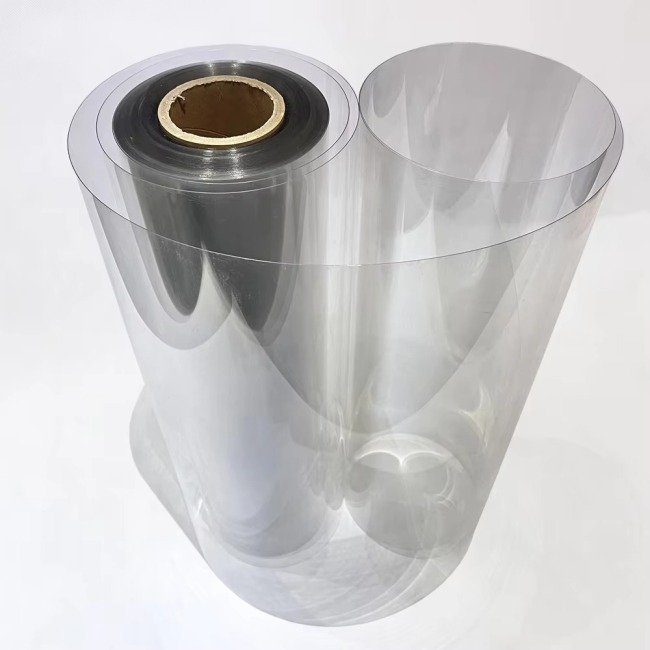
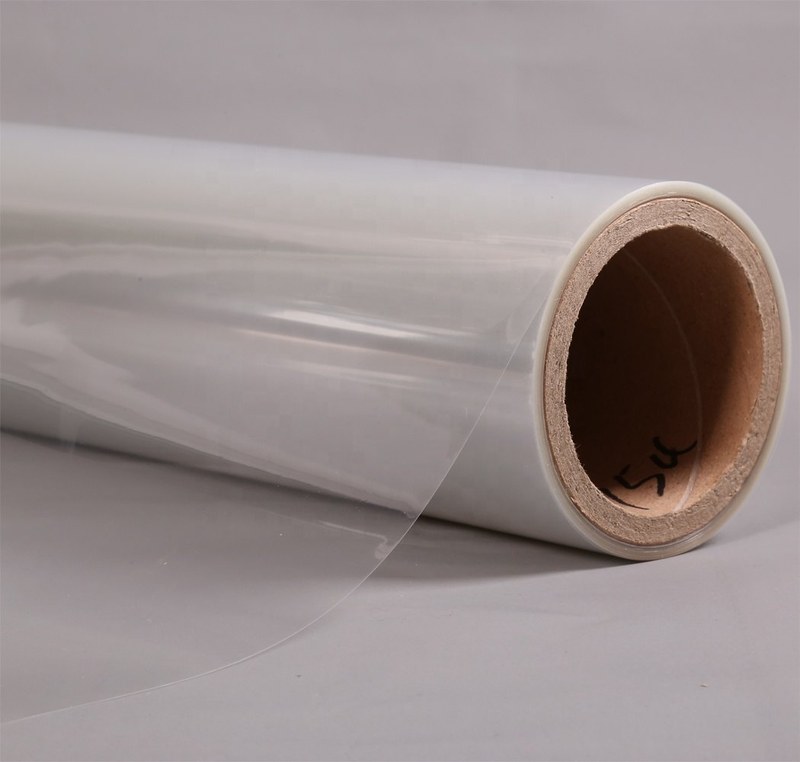
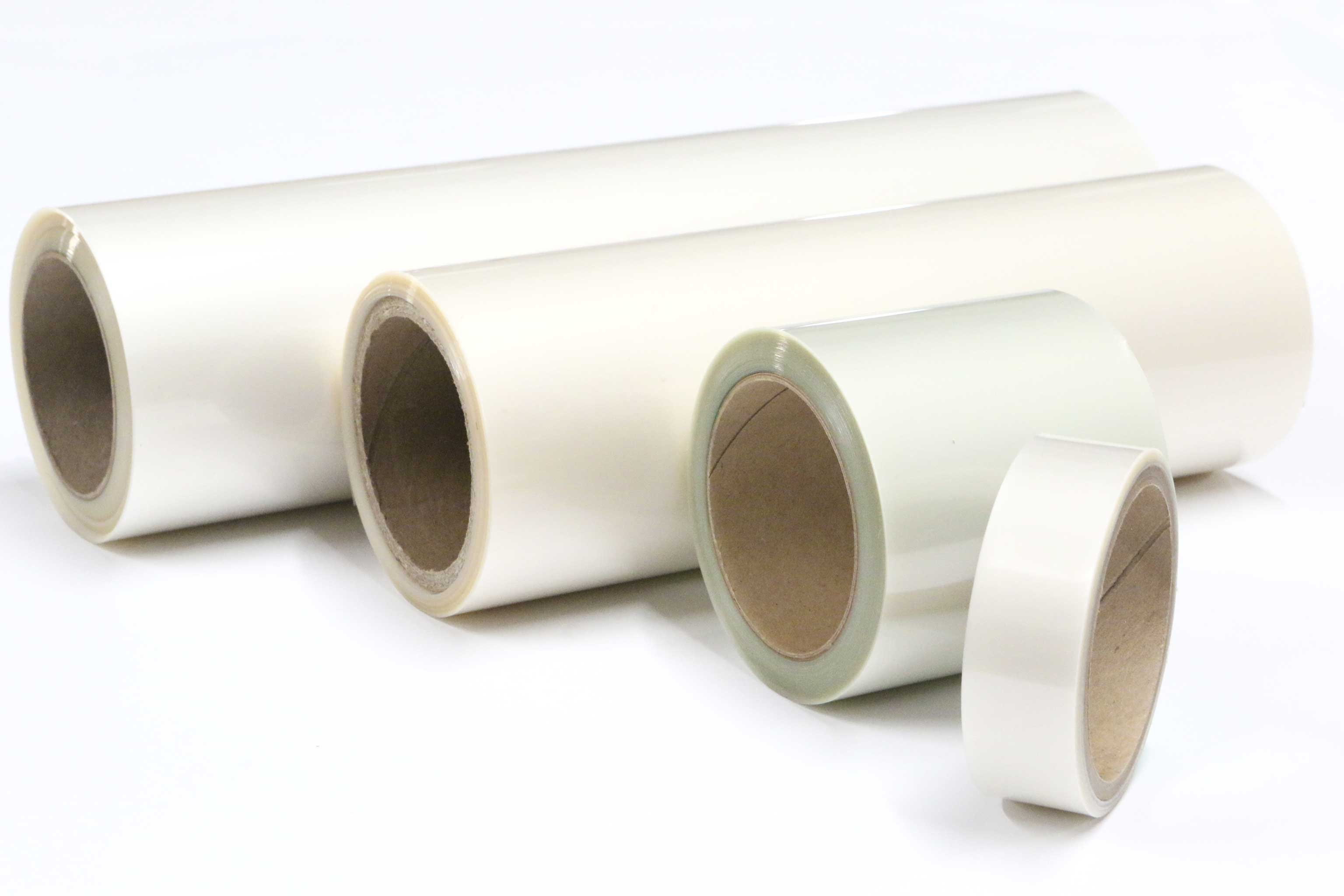
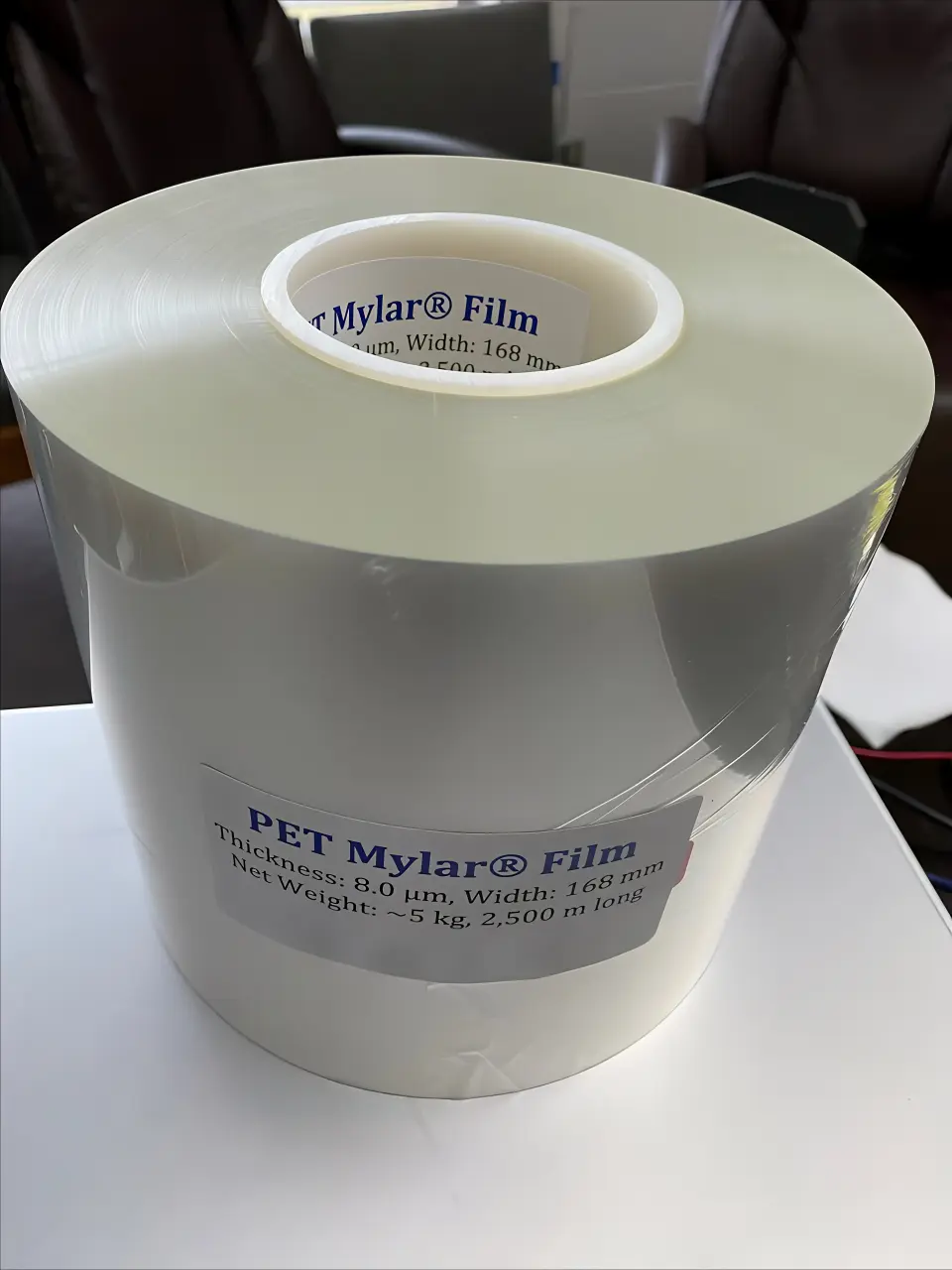
Mylar® is a biaxially oriented polyethylene terephthalate film known for dimensional stability, dielectric strength and broad chemical resistance. The range spans general-purpose grades such as Mylar® A, Mylar® D and Mylar® C through to coating, release, barrier and photovoltaic films.

About The Company

About Mylar Specialty Films

Mylar Specialty Films China Limited supplies the Mylar® family of polyester films to industrial, electronics and packaging customers. The Mylar® brand was introduced in the 1950s as the first biaxially oriented PET film, and the business operated under the name DuPont Teijin Films until a global rebrand in 2024.

Our focus is on consistent film quality rather than on a single specification. Batch-to-batch control of thickness, surface and thermal behaviour is what lets a converter run the same grade reliably on repeat orders. Technical support concentrates on matching a film's surface and heat behaviour to the actual forming, coating or insulating process.

The portfolio covers general insulation, capacitor dielectric, adhesive backing, release liners, metallised barrier structures and outdoor photovoltaic layers. Each family is selected for a distinct balance of mechanical strength, electrical performance and environmental resistance.

Why Mylar Film

Engineered For Performance

Polyester film is chosen when a material must stay dimensionally stable while resisting heat, moisture and chemicals. Mylar® grades are plasticiser-free, so they do not become brittle with age under normal conditions. The result is a film that performs predictably across storage, converting and end use.

Dimensional stability. Biaxial orientation gives the film balanced strength and low shrinkage, which keeps registered prints and die-cut parts aligned.

Chemical resistance. The film resists moisture, oils, dilute acids and many common solvents, supporting use in demanding electrical and packaging environments.

Electrical insulation. High dielectric strength and stable electrical properties make the range suitable for capacitors, windings and flexible circuitry.

Core Products

Core Mylar Grades

Three grades anchor the range and cover most general technical applications. They share a PET base but differ in surface finish and intended process.

Mylar® A is the standard version, with balanced mechanical, electrical and chemical properties for a broad spectrum of technical uses. It is the usual starting point when no special surface or shrink behaviour is required.

Mylar® D has a slightly matte surface that gives excellent unwinding behaviour together with good coatability and metallisation. It is preferred where a film must be printed, coated or metallised cleanly at speed.

Mylar® C is built for mechanical stability and excellent electrical properties, and is widely specified for capacitor manufacture. Its controlled behaviour under electrical load makes it a dependable dielectric layer.

Material Data

Material Specifications

The values below describe PET film at material level and apply across the range; individual grades are tuned for specific surfaces and thermal profiles.

PolymerBiaxially oriented polyethylene terephthalate (PET)
CAS number25038-59-9
Molecular formula(C10H8O4)n
Density1.38 g/cm³
Melting pointabout 260 °C
Glass transition67 to 80 °C
Service temperature-70 to 150 °C
Dielectric strengthup to 280 kV/mm
Water absorption (24 h)0.2 to 0.3 percent
Barrier behaviourLow permeability to gases, moisture, oil and odour
Chemical resistanceResistant to oils, fats, dilute acids and many solvents

Full Portfolio

Mylar Grade Index

The Mylar® portfolio is organised into families by function rather than by thickness alone. General-purpose films handle routine insulation, while surface-treated, metallisable, release and outdoor grades solve more specific converting problems. The complete line-up supplied by Mylar Specialty Films is listed below.

General-Purpose Films

Balanced mechanical, electrical and chemical performance for everyday technical insulation, forming and converting work.

Mylar® AMylar® DMylar® CMylar® EMylar® JMylar® 100AMylar® D1Mylar® 208Mylar® 250Mylar® BPMylar® FAMylar® EC

Heat-Stabilised & High-Performance Films

Dimensionally stable grades built for sustained heat, tight tolerances and repeatable high-volume converting.

Mylar® HSMylar® AHS1Mylar® 800Mylar® 813Mylar® 816Mylar® 820Mylar® 829Mylar® 841Mylar® 852Mylar® 853Mylar® 896Mylar® 899Mylar® 806Mylar® 818Mylar® 80068Mylar® 3850Mylar® 850Mylar® 851Mylar® 851HMylar® 850H

Coating, Adhesion & Lamination Films

Surface-engineered films with primer, sealable or heat-activated layers for printing, bonding and multilayer structures.

Mylar® ELMylar® MOMylar® MO21Mylar® MO31Mylar® OLMylar® OLAFMylar® OL1Mylar® OL2Mylar® OL3Mylar® OL11Mylar® OL12Mylar® OL13Mylar® OL1AFMylar® OL1AGMylar® OL1APMylar® REL1Mylar® ADSMylar® COOK SeriesMylar® EL21

Metallisable & High-Barrier Films

Bright, uniform substrates optimised for metallisation and for demanding oxygen, moisture and aroma barrier duties.

Mylar® Metallised SeriesMylar® 800MCMylar® 800MOMylar® 800MIMylar® 800LHMylar® 813OMylar® 813LHMylar® 813MOMylar® 813MIMylar® 813OCBMylar® 800CBMylar® 850AFMylar® 870AF

Release & Liner Films

Controlled-release and silicone-coated liners for labels, tapes, medical dressings and precision die-cut components.

Mylar® RL31Mylar® RL32Mylar® RL33Mylar® RL42Mylar® RL43Mylar® RL44Mylar® RL52Mylar® RL71AFMylar® RL33LSMylar® RB52Mylar® RB52ATMylar® RB52AFMylar® RSXMylar® RSX951Mylar® RSXR951Mylar® KBSMylar® S1Mylar® S1F (silicone-coated)

Packaging, Optical & Speciality Films

Clear, matte and white films tailored for food packaging, overlays, windows and optical display layers.

Mylar® Harvest Fresh SeriesMylar® HF SeriesMylar® OWFMylar® OWF2Mylar® WCMylar® CLMylar® CLTMylar® PMXMylar® FRMylar® MC2Mylar® P25Mylar® EB-11

Photovoltaic & Outdoor Films

Weatherable films engineered for ultraviolet exposure, hydrolysis resistance and long service life in outdoor modules.

Mylar® UVHPETMylar® SPV7WMylar® SPV8WMylar® SPV9WMylar® 204 CLRPV

End Uses

Where Mylar Works

Mylar® films appear in products where a thin, strong, insulating or barrier layer is required. The same PET base can be finished very differently depending on the job. The examples below show the main directions in which the range is specified.

Metallised Packaging

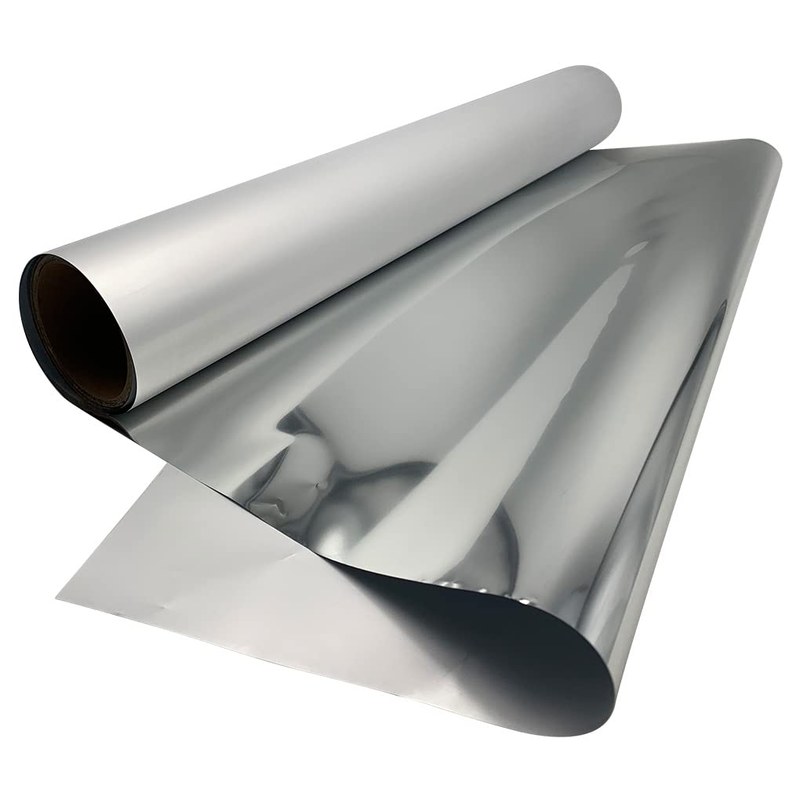
A bright, uniform surface accepts a thin metal layer that delivers high barrier performance for food, coffee and sensitive dry goods. Metallised Mylar® structures also protect aroma and extend shelf life.

Electrical Insulation

Films insulate transformers, motors and capacitors, with dielectric strength up to 280 kV/mm.

Release Liners

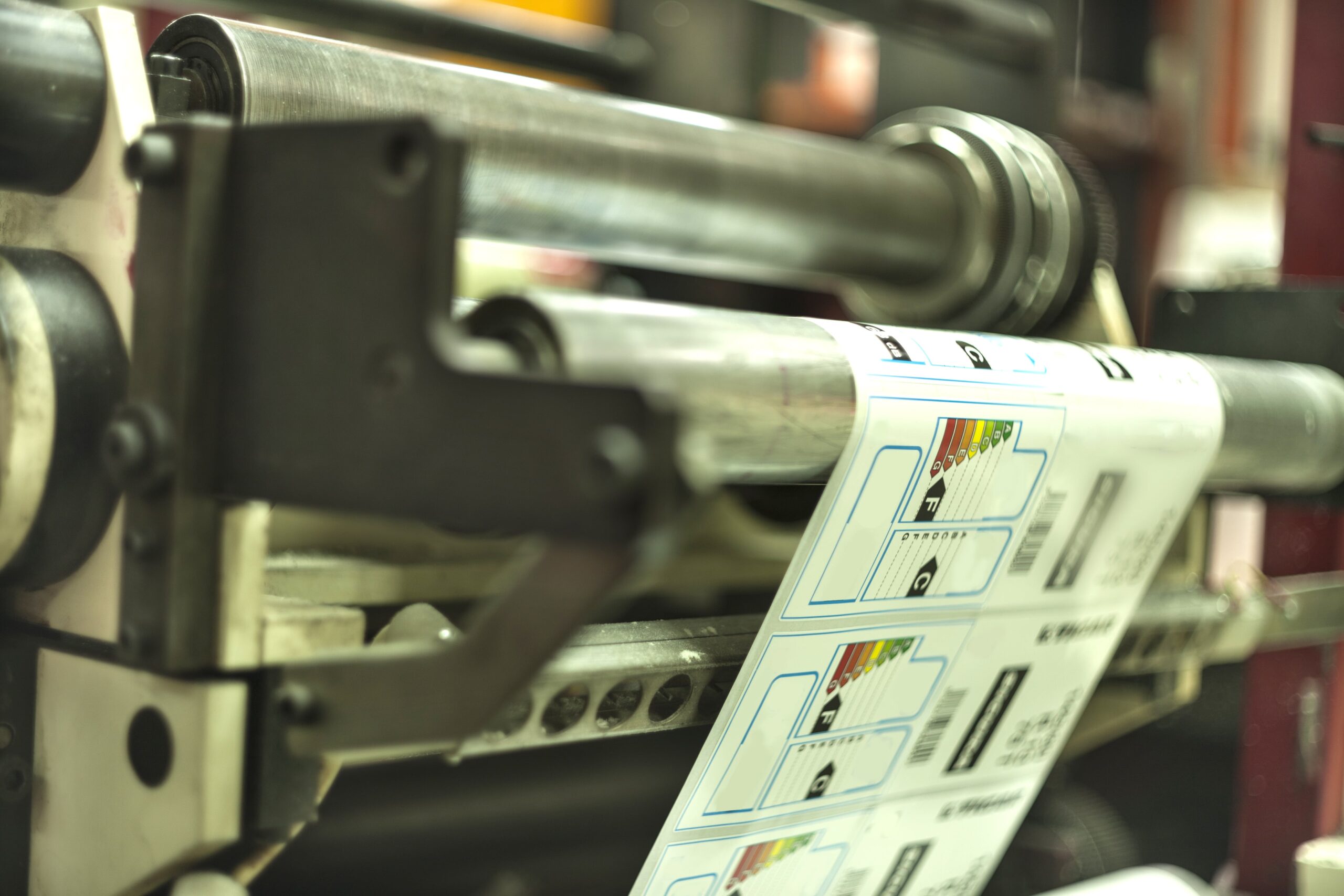
Silicone-coated and controlled-release grades back labels, tapes and medical dressings.

Outdoor Modules

UV-stable and hydrolysis-resistant films serve photovoltaic backsheets and outdoor layers.

Converting Note

From Film To Function

Choose the grade by process first and thickness second. A heat-stabilised film is the right basis for tight-tolerance die cutting, a matte coat-receptive surface suits printing and metallisation, and a low-shrink grade holds dimensions during repeated heat exposure. Matching surface to process avoids most downstream registration and adhesion problems.

How It Is Made

How We Work

PET film quality is largely decided during orientation and finishing. Understanding the sequence helps explain why different grades behave so differently in converting, even at the same thickness.

Resin Selection

Film-grade PET resin is chosen for molecular weight and additive level, which set the base mechanical and optical character before the web is formed.

Biaxial Orientation

The cast sheet is drawn in both machine and transverse directions, aligning the polymer chains and delivering the film's balanced strength, clarity and dimensional stability.

Surface Treatment

Primer, heat-activated or silicone-release layers are applied where needed, creating grades optimised for coating, lamination, printing or controlled release.

Slitting & Inspection

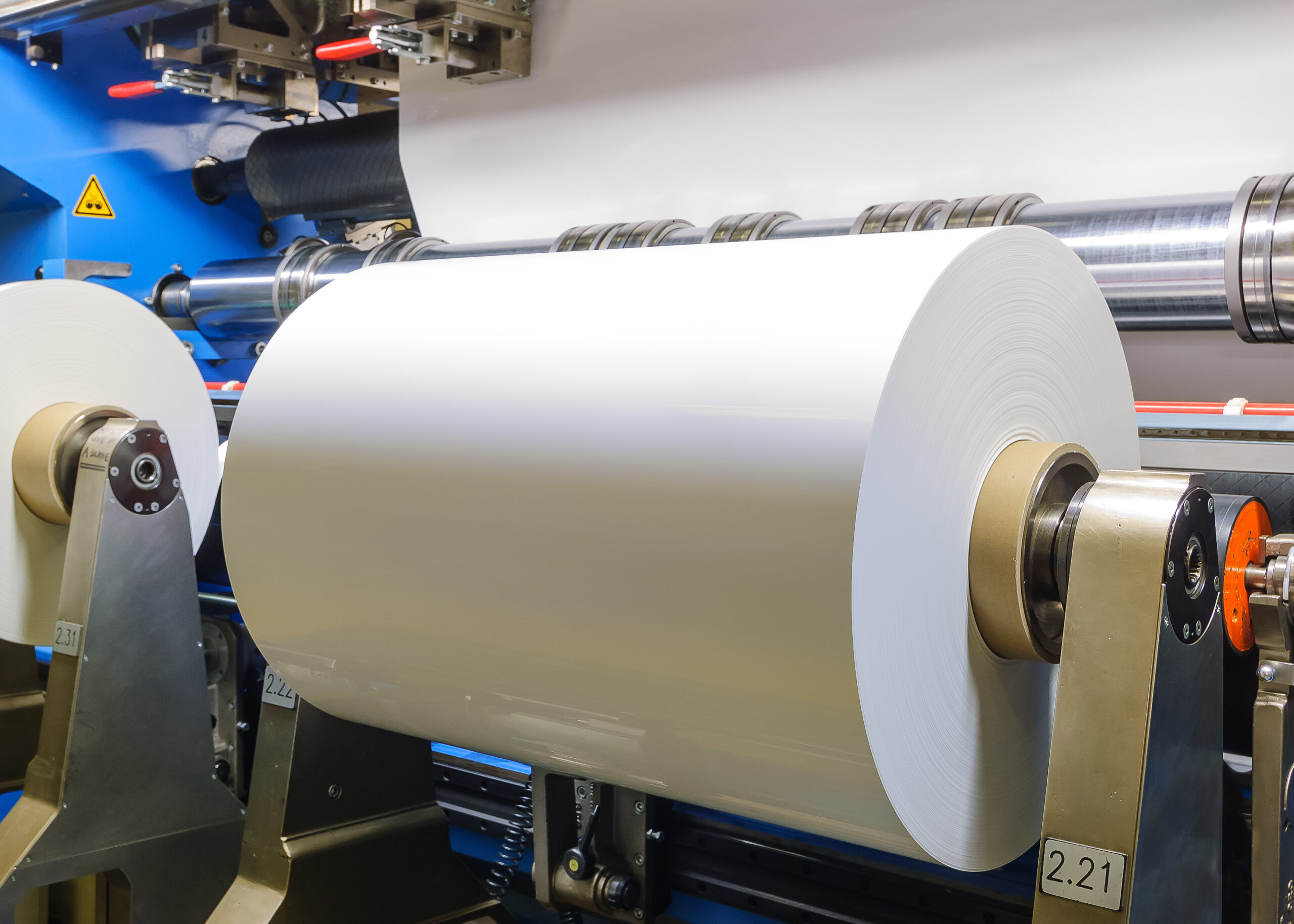
Master rolls are slit to width and checked for thickness, surface and winding quality so that each roll runs consistently on customer equipment.

Packaging & Delivery

Packaging And Delivery

Film is supplied in forms that protect the surface and simplify handling at the converter. The packing format follows the grade and the way the material will be used.

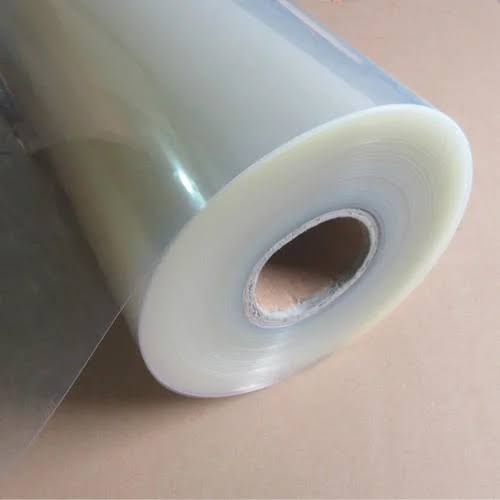
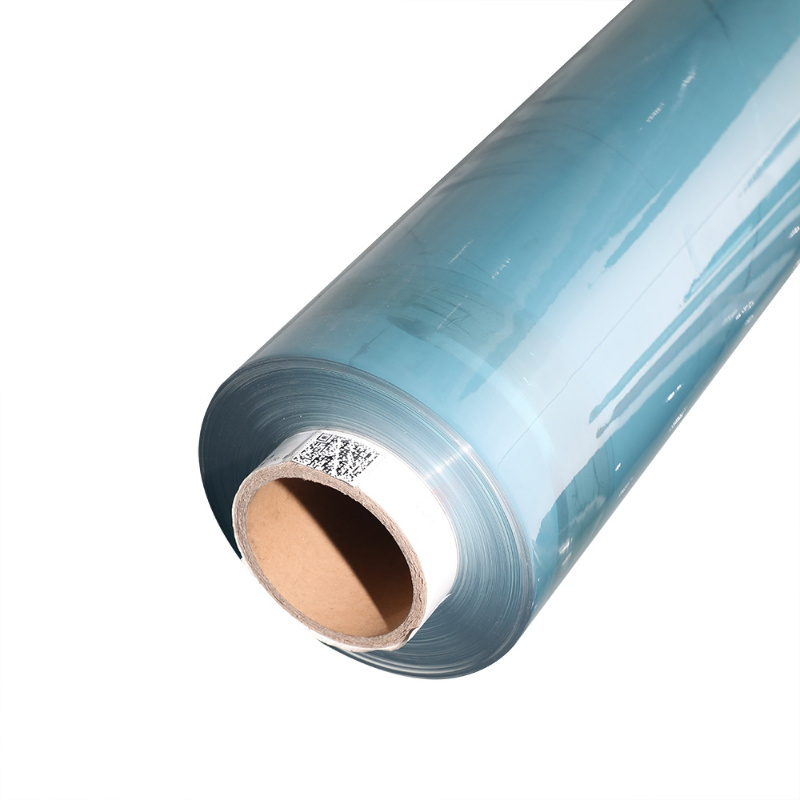
Master rolls. Wide rolls are wrapped to shield the surface from dust and moisture during storage and transit.

Slit reels. Rolls are slit to the requested width with consistent winding tension for reliable unwinding.

Sheet formats. Die-cut sheets are available for low-volume work, sampling and further fabrication.

Roll identification. Grade and roll information is carried on each package to support traceability during production.

Insights

Film Insights

Short notes on material selection, processing and commercial planning for PET film buyers. Each item focuses on a decision that affects yield, performance or cost in real applications.

Technical

Reading A PET Film Data Sheet

Density, melting point and glass transition describe the base polymer, while dielectric strength and shrinkage indicate how a grade will behave in service. Comparing these together gives a more reliable shortlist than thickness alone.

Knowledge

Choosing A Release Liner Grade

Release performance depends on the silicone layer and the surface it sits on, not only on film thickness. Matching liner to adhesive and die-cut geometry reduces web breaks and label waste.

Commercial

Planning A Film Order

Defining grade, thickness, width and roll format early keeps quotation and sampling cycles short. Converters that fix the process window first usually reach a stable specification faster.

Get In Touch

Talk To Evelyn

Tell us the grade family, thickness and end use you are working with. We will help narrow the Mylar® range to a practical shortlist and share the information needed to evaluate it.

Scan to chat with Evelyn Zhang on WhatsApp.